Ship Layup Guide: Types, Benefits & Layup Locations Malaysia
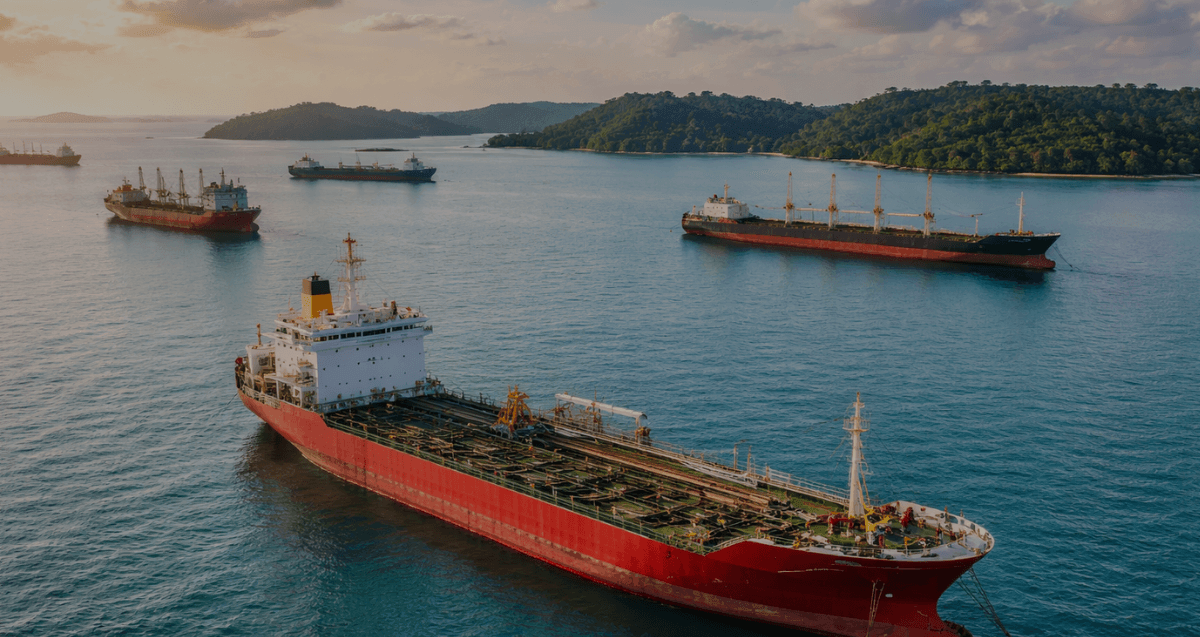
The global shipping industry is often affected by market fluctuations, rising operating costs, and changing trade demand. During periods when operating a vessel is no longer commercially viable, many shipowners turn to ship layup services as a strategic solution.
Vessel layup allows ships to be temporarily removed from service while maintaining their condition through proper layup management and ship preservation.
When implemented correctly, ship layup helps shipowners reduce operational costs, protect valuable maritime assets, and ensure vessels can return to service efficiently when market conditions improve.
In Southeast Asia, Malaysia has become an attractive layup location due to its sheltered waters, strategic shipping routes, and available marine support services.
Understanding the fundamentals of ship layup—including its purpose, preservation practices, and suitable layup locations—is essential for shipowners seeking to manage costs while protecting long-term fleet value.
What is Ship Layup?
Ship layup refers to the process of temporarily taking a vessel out of active commercial service while maintaining it in a controlled condition that preserves its machinery, structure, and operational systems.
A vessel may be laid up due to several reasons, including:
- Low freight rates or market downturns
- Oversupply of vessels in the market
- Rising fuel and operational costs
- Regulatory changes requiring upgrades
- Seasonal demand fluctuations
- Strategic fleet restructuring
During layup, a ship is typically anchored or moored in a designated location while undergoing preservation procedures designed to prevent deterioration.
Proper ship preservation during layup is essential. Without adequate maintenance, idle vessels can suffer from corrosion, equipment failure, or structural degradation, significantly increasing the cost and time required to return the vessel to service.
Types of Vessel Layup
Ship layups generally fall into two main categories depending on the expected duration and operational strategy.
Hot Layup
A hot layup occurs when a vessel is taken out of service for a short period, typically less than 12 months.
Key characteristics include:
- Machinery remains operational or ready for use
- Essential crew remains onboard
- Regular maintenance continues
- Systems remain powered
Hot layup allows vessels to return to service relatively quickly, often within days or weeks.
This approach is commonly used when shipowners anticipate a short-term market recovery or temporary operational pause.
Advantages of Hot Layup
- Faster reactivation
- Lower recommissioning costs
- Reduced equipment deterioration
However, the downside is that operational costs remain relatively high due to crew retention and system maintenance.
Cold Layup
Cold layup is used when vessels are expected to remain inactive for an extended period, often more than one year.
During cold layup:
- Machinery systems are shut down
- Fuel and lubricants may be drained or preserved
- Crew presence is significantly reduced
- Equipment is protected through preservation procedures
Cold layup significantly reduces operating costs but requires more extensive procedures to recommission the vessel.
Advantages of Cold Layup
- Major reduction in operational expenses
- Lower crew requirements
- Long-term cost control for shipowners
However, reactivating a cold-laid vessel can take weeks or months depending on the extent of preservation measures taken.
Why Shipowners Choose Vessel Layup
Strategic vessel layup can provide several important benefits for shipowners.
1. Cost Control During Market Downturns
Operating vessels in weak freight markets can quickly become unsustainable. Fuel, crew wages, port charges, insurance, and maintenance costs can exceed revenue.
By implementing layup management, shipowners can significantly reduce operational expenses while waiting for more favourable market conditions.
2. Protecting Asset Value
Ships represent substantial capital investments. Without proper preservation during inactivity, vessels can deteriorate rapidly due to corrosion, humidity, and mechanical failure.
Proper ship preservation ensures that vessels retain their value and remain compliant with classification and regulatory standards.
3. Fleet Optimisation
Layup enables shipowners to strategically manage their fleet size. Instead of selling vessels during market downturns at reduced prices, owners can temporarily withdraw ships and redeploy them when demand improves.
4. Regulatory Compliance
Shipping regulations evolve regularly. Layup can provide shipowners with time to plan upgrades or modifications required for compliance with new international maritime standards.
Ship Preservation During Layup
Effective ship preservation is the most critical element of successful layup management.
Without proper preservation procedures, idle vessels can quickly suffer from:
- Corrosion of metal components
- Moisture damage to machinery
- Electrical system deterioration
- Structural degradation
Key preservation measures include:
1. Corrosion Protection
Saltwater environments accelerate corrosion. Protective coatings, cathodic protection systems, and dehumidification are commonly used to minimise corrosion risks.
2. Machinery Preservation
Engines, generators, pumps, and other mechanical equipment require specialised preservation methods.
These may include:
- Filling systems with protective oils
- Using desiccants to control humidity
- Periodic system rotation or maintenance checks
3. Electrical System Protection
Electrical systems must be safeguarded against moisture and temperature fluctuations.
Protective measures include:
- De-energising systems where possible
- Sealing electrical panels
- Maintaining minimal power supply for monitoring equipment
4. Hull and Structural Maintenance
The hull must be regularly inspected for corrosion, biofouling, or structural damage.
Preservation activities may include:
- Anti-corrosion coatings
- Hull inspections by divers
- Mooring system checks
Best Practices in Layup Management
Successful layup management requires detailed planning and consistent monitoring.
Key best practices include:
Conducting a Layup Risk Assessment
Before laying up a vessel, shipowners should perform a comprehensive risk assessment covering:
- Environmental conditions
- Security risks
- Regulatory requirements
- Insurance considerations
Maintaining Class and Insurance Requirements
Many classification societies provide specific layup guidelines.
Shipowners must notify:
- Classification societies
- Flag state authorities
- Marine insurers
Failure to comply with these requirements may affect insurance coverage.
Crew Management
Even during cold layup, a minimal crew may be required for monitoring and safety purposes.
Crew responsibilities typically include:
- Routine inspections
- Fire safety monitoring
- Mooring checks
- Security surveillance
Environmental Monitoring
Weather conditions, currents, and seabed conditions must be carefully monitored to ensure vessel stability and safety during layup.
Choosing a Layup Location
Selecting the right layup location is critical to ensuring vessel safety and cost efficiency.
Ideal layup locations should offer:
- Shelter from strong winds and waves
- Stable seabed for anchoring
- Low tidal movement
- Minimal maritime traffic
- Security monitoring
- Access to maintenance services
Environmental conditions play a major role in determining whether a location is suitable for long-term vessel layup.
Layup Locations in Malaysia
Malaysia has become an attractive destination for ship layup due to its strategic maritime location along major global shipping routes.
Several regions in Malaysia provide favourable conditions for vessel layup.
Johor
Johor waters are one of the most commonly used layup zones in Malaysia due to:
- Proximity to Singapore shipping routes
- Established marine service providers
- Protected anchorage areas
Johor’s sheltered waters allow shipowners to safely anchor vessels while maintaining easy access to maintenance and inspection services.
Labuan
Labuan offers deep-water anchorage suitable for larger vessels and offshore support ships.
Its strategic location in East Malaysia also makes it ideal for vessels operating within regional offshore industries.
Port Klang
As Malaysia’s largest port, Port Klang provides access to marine engineering services, ship repair facilities, and maritime logistics support.
Shipowners may choose layup locations nearby to ensure easy reactivation when required.
Other Layup Areas
Additional sheltered areas around the Malaysian coastline may also be used depending on vessel size, environmental conditions, and operational requirements.
Marine service providers in Malaysia often assist shipowners with:
- Anchorage arrangements
- Layup monitoring
- Security services
- Preservation maintenance
Ship Layup Procedures
A structured process ensures that vessels are safely and efficiently laid up.
Step 1: Pre-Layup Planning
Shipowners must first determine:
- Duration of layup
- Type of layup (hot or cold)
- Suitable layup location
- Insurance and regulatory requirements
Step 2: Vessel Preparation
Before layup begins, the vessel must be prepared through:
- Cleaning tanks and machinery systems
- Preserving engines and equipment
- Removing hazardous materials
- Securing loose equipment
Step 3: Mooring and Anchorage
The vessel is then moved to the selected layup location and secured using appropriate anchoring or mooring arrangements.
Regular monitoring ensures that the vessel remains stable.
Step 4: Preservation Implementation
Preservation procedures are carried out to protect the vessel’s systems, including:
- Machinery preservation
- Corrosion protection
- Electrical system protection
Step 5: Monitoring and Maintenance
Even during long-term layup, vessels require routine monitoring.
Typical maintenance tasks include:
- Hull inspections
- Machinery checks
- Environmental monitoring
- Security surveillance
Step 6: Reactivation Planning
When market conditions improve, shipowners must follow a recommissioning process.
This often includes:
- Machinery reactivation
- Safety inspections
- Classification society surveys
- Crew onboarding
Properly preserved vessels can return to service faster and at lower cost.
Strategic Value of Ship Layup for Modern Shipowners
In today’s volatile shipping market, ship layup has evolved from a temporary measure into a strategic fleet management tool.
When properly executed, layup management helps shipowners:
- Minimise operational losses
- Protect high-value maritime assets
- Maintain regulatory compliance
- Preserve vessels for future deployment
For shipowners operating in Southeast Asia, Malaysia’s sheltered waters and maritime infrastructure provide ideal conditions for safe and effective vessel layup.
With proper planning, location selection, and preservation practices, shipowners can ensure that their vessels remain protected and ready to return to service when the market recovers.
Need professional support for vessel layup and ship preservation?
Partner with experienced specialists to protect your maritime assets and ensure efficient layup management. Visit International Shipcare to learn more about our comprehensive ship layup, maintenance, and marine support services:
Our website: Internationalshipcare.com
Need professional support for vessel layup and ship preservation? Partner with International Shipcare’s vessel layup services at Brunei Bay, Labuan, Kemaman, and Kuantan — contact us to discuss your vessel.
ABOUT US
OUR SERVICES
Careers