Ship Preservation
Why Ship Preservation Is the Most Critical Part of Layup
Taking a vessel out of service is only half the equation — see our full vessel layup services for how preservation fits into hot layup and cold layup planning.
The bigger challenge — and the one that separates professional lay-up managers from the rest — is keeping that vessel in condition to return to service without costly repairs.
Based on International Shipcare’s 50 years of lay-up experience, vessels that are laid up without proper preservation programmes frequently break down upon reactivation. These vessels often require towing from the anchorage to the nearest port for emergency repairs — incurring costs that far exceed any savings made during the lay-up period itself.
The primary threat is corrosion driven by high relative humidity. Without controlled dehumidification, moisture penetrates engine rooms, electrical systems, accommodation spaces, cargo holds, and structural steelwork — causing accelerating damage that becomes exponentially more expensive to address over time.
ISC's Approach to Vessel Preservation
International Shipcare’s vessel preservation programme is the most comprehensive in the industry, developed over 50 years and aligned with Lloyd’s Register layup guidelines. Every preservation programme is built from a gap analysis of multiple classification society requirements and is tailored to the specific vessel type, internal volumes, and anticipated lay-up duration.
The programme covers four core areas:
- Dehumidification & Humidity Control Industrial-grade DH machines are deployed to maintain optimal relative humidity (RH) levels inside all enclosed spaces throughout the lay-up period.
- Corrosion Control Machinery, pipework, electrical systems, and structural steelwork are treated, sealed, and monitored on a scheduled basis to prevent corrosion onset and progression.
- Mechanical Preservation Major machinery and equipment are decommissioned and preserved using appropriate methods for the lay-up duration.
- Space Sealing & Access Control All accommodation access points, machinery spaces, and store rooms are sealed. Only authorised ISC personnel and certified watchkeepers may access these areas, with all entries logged
Protect Your Vessel During Layup
Corrosion damage during lay-up is preventable — talk to ISC about a tailored ship preservation programme for your vessel.
The Role of Dehumidification in Ship Preservation
Why Humidity Is the Primary Threat in Tropical Layup
In tropical climates, ambient relative humidity (RH) regularly exceeds 80–90%. At these levels, corrosion on ferrous metal surfaces accelerates dramatically, condensation forms inside enclosed spaces, and electrical insulation degrades — creating both asset damage and safety risks.
Standard small dehumidifiers — the kind commonly available commercially — are completely inadequate for the large internal volumes found on commercial vessels. A bulk carrier’s engine room, a container ship’s accommodation block, or an LNG carrier’s cargo system cannot be effectively protected by consumer-grade equipment.
Why Combining Multiple Small Units Doesn’t Work
Some operators attempt to replicate industrial DH performance by clustering multiple small consumer units. This approach consistently underperforms because:
- Multiple small units cannot match the airflow pressure of a single large industrial DH
- Small units cannot generate the piston effect required to push dry air through large spaces
- The result is uneven humidity distribution, leaving high-risk zones unprotected
- Greater maintenance overhead and higher combined failure risk
ISC’s offshore-grade DH machines are built with corrosion-resistant materials and marine-grade components, designed specifically to withstand prolonged offshore lay-up conditions. They maintain target humidity levels consistently over multi-year lay-up periods — something consumer-grade equipment simply cannot deliver.
Vessel Type and Layup Challenges
Bulk Carriers & Container Ships
Holds, tweendecks, and cargo spaces present large open volumes where humidity rapidly accumulates. ISC deploys mid-capacity DH units across cargo and machinery spaces, combined with regular hull and structural inspection.
LNG Carriers
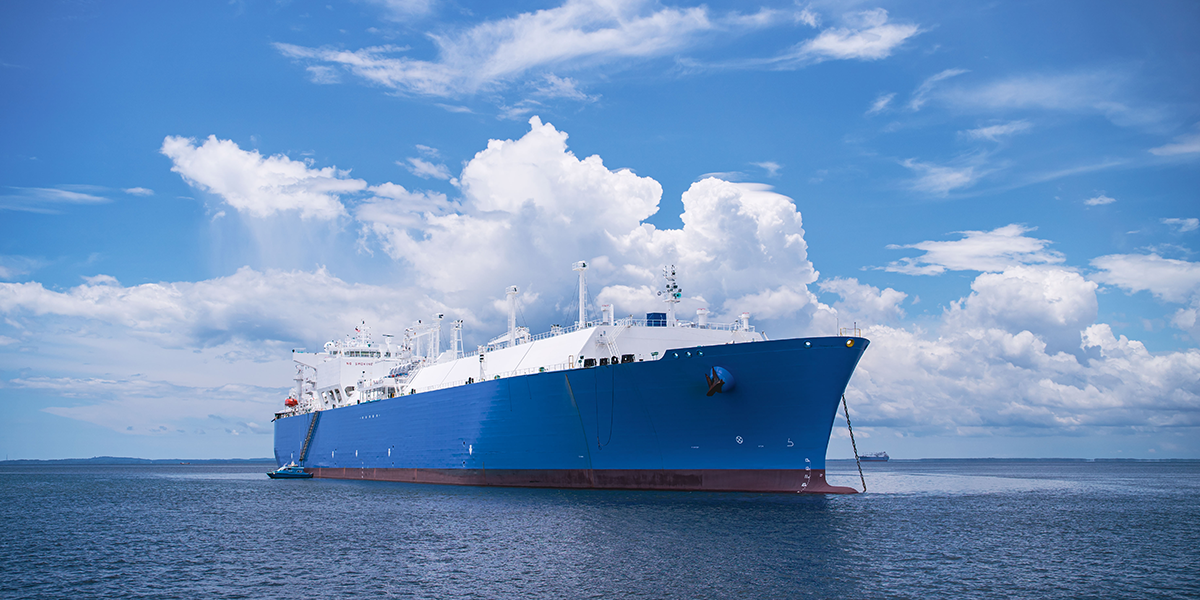
LNG carriers present the most demanding preservation challenge due to their complex cargo system, cryogenic equipment, and extensive electrical infrastructure. ISC’s largest DH units (up to 10,500 CMH) are specifically required for these vessels. ISC also has hands-on experience with N2 purging for LNG cargo tank preservation — a specialist technique performed for major LNG operators.
FPSOs & Offshore Vessels
Offshore vessels and FPSOs present unique preservation requirements given their complex process systems and topside equipment. ISC has managed preservation programmes for FPSOs operated by major offshore energy companies including Woodside, Santos, and MODEC.
Anchor Handling Tugs & OSVs
Smaller vessels require fewer DH units but benefit from ISC’s structured inspection and corrosion monitoring programme to maintain condition across all machinery and deck equipment.
Vessel Preservation Programme — What ISC Delivers
Every vessel under ISC’s preservation programme receives:
- Initial condition survey and preservation scope development
- Deployment of appropriately sized DH machines to all critical spaces
- Weekly and monthly inspection by a dedicated team led by a Technical Superintendent
- Full documentation of all preservation activities and condition findings
- Photographic reporting submitted to owners and managers
- Corrosion monitoring and remedial treatment where required
- Anchor chain activities every 12–16 weeks
- 24/7 vessel monitoring via ISC’s communications centre
All activities are conducted in accordance with the ISC Inspection Checklist, developed during the initial visit and serving as the operational guide for the entire lay-up period.
Proven Results: ISC Preservation Track Record
International Shipcare has laid up and reactivated over 1,500 vessels across its 50-year history. Our largest simultaneous fleet was 65 ships at anchor in Brunei Bay.
Our experience has produced one consistent finding: vessels preserved with ISC’s industrial DH programme return to service on schedule. Vessels without proper dehumidification routinely require emergency repairs upon reactivation — an outcome ISC has eliminated for its clients through consistent, documented preservation management.
Key milestones:
- 9 million hours free from Lost Time Incidents (LTI) — 2024
- Lloyd’s Register certified lay-up procedures
- ISO 9001 quality management system across all preservation activities
- Authors of the world’s first Ship Lay-Up Guide Book (Witherbys & BIMCO, 2019)
Frequently Asked Questions — Ship Preservation
Q: What is ship preservation in the context of layup?
Ship preservation refers to the systematic process of protecting a vessel’s structural integrity, machinery, systems, and equipment from deterioration during an idle period. The primary focus is preventing corrosion caused by humidity, managing mechanical degradation in inactive machinery, and maintaining the vessel in a condition that enables reliable reactivation.
Q: Why is dehumidification critical for ship preservation in Malaysia?
Malaysia’s tropical climate produces consistently high ambient humidity — often above 85% RH. At these levels, corrosion on steel surfaces begins within hours of exposure and accelerates rapidly. Industrial dehumidification is the only effective way to maintain safe RH levels inside the large enclosed spaces of commercial vessels. ISC’s offshore-grade DH machines are purpose-built for this challenge.
Q: How long can a vessel be preserved in layup without major deterioration?
With a properly managed preservation programme including industrial-grade DH machines, weekly and monthly inspections, and professional corrosion control, a vessel can be maintained in lay-up for multiple years without significant deterioration. ISC has successfully managed and reactivated vessels after extended lay-up periods of 10 years.
Q: What is the difference between ISC's DH machines and standard dehumidifiers?
ISC operates offshore-grade industrial DH machines — purpose-engineered for marine preservation. Standard consumer or commercial dehumidifiers (typically under 100 CMH) cannot generate the airflow or pressure required to effectively dehumidify large vessel spaces, and they are not built to withstand the marine offshore environment over multi-year periods.
Q: Does ship preservation apply to both cold and warm layup?
Yes. Dehumidification and preservation management are critical in both cold and warm lay-up scenarios. In cold lay-up, comprehensive dehumidification is required across all shut-down spaces. In warm lay-up, DH is deployed in enclosed machinery and accommodation spaces where crew activity does not provide adequate air circulation.
Is ship preservation the same as ship maintenance or ship management?
No. Ship preservation focuses on preventing deterioration during lay-up. Ship management covers operations and crew, while maintenance focuses on repairs and servicing.
Explore Our Layup Options
Learn about Cold Layup
01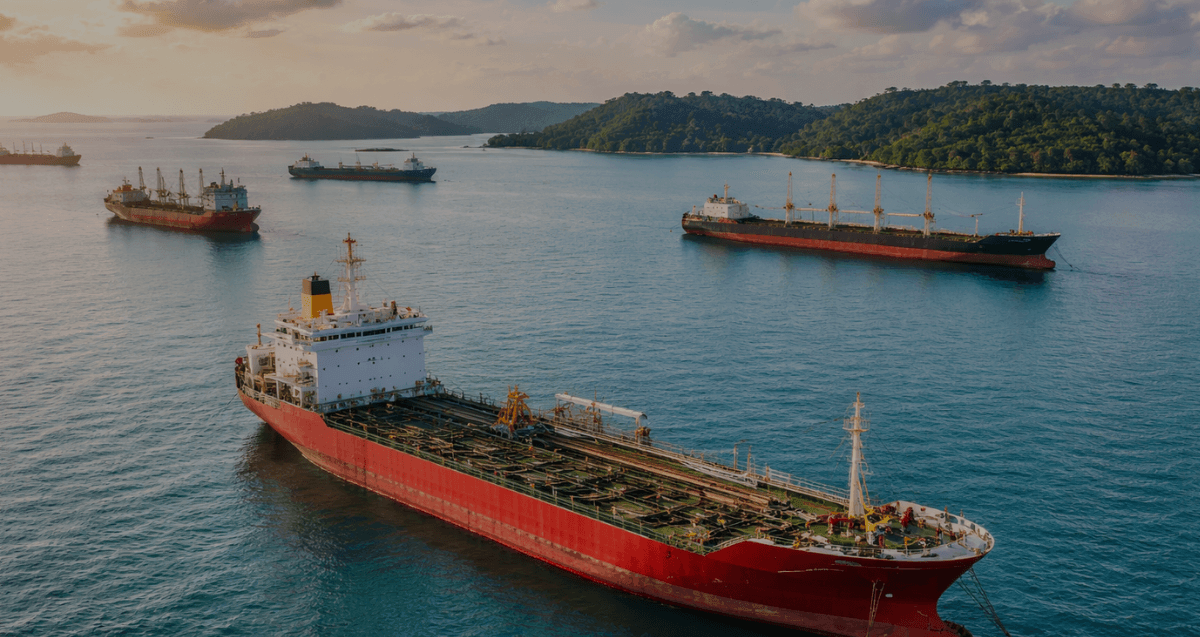
Learn about Warm Layup
02
Our Anchorage Location
03Protect Your Vessel With ISC’s Preservation Programme
Don’t let humidity destroy the value of your asset during layup. Contact ISC to discuss a preservation programme tailored to your vessel type and layup duration.
ABOUT US
OUR SERVICES
Careers