What Is Ship Management? A Complete Guide to Functions, Responsibilities and Industry Roles
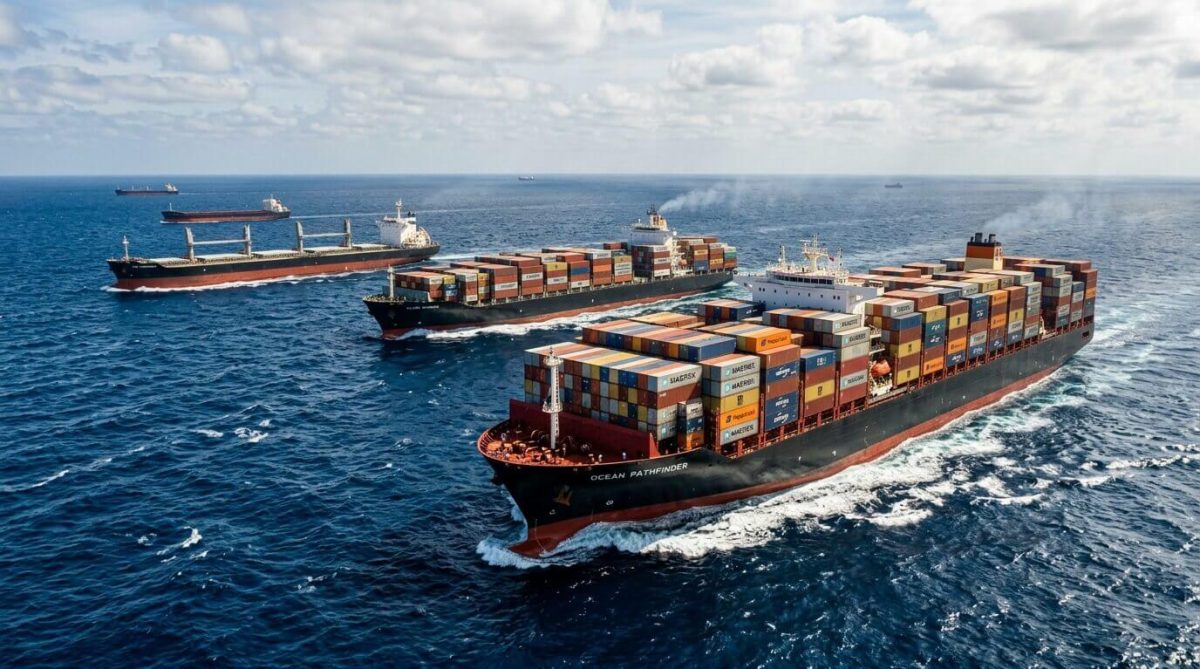
Key Takeaways
- Ship management covers the full operation of a vessel, including technical, crew, compliance, and commercial functions
- It ensures vessels operate safely, efficiently, and in line with international regulations
- Ship management is different from specialised services like vessel lay-up and ship preservation, which focus on asset protection during downtime
What Is Ship Management?
Ship management refers to the overall operation and administration of a vessel, ensuring it performs safely, efficiently, and in compliance with maritime regulations.
In practice, it involves coordinating multiple functions — from maintaining equipment to managing crew and handling daily operations.
Put simply:
Ship management ensures a vessel is fully operational and able to perform its intended commercial role.
Why Ship Management Is Important in the Maritime Industry
In a highly regulated and competitive maritime industry, effective ship management is essential to ensure both safety and performance.
It supports shipowners by:
- Maintaining vessel reliability and operational efficiency
- Managing operational risks and safety requirements
- Supporting cost control and financial planning
Without proper management, vessels may face operational delays, compliance issues, and increased costs.
Core Functions of Ship Management
Ship management is typically divided into several key areas, each contributing to the vessel’s overall performance.
1. Technical Management
Technical management focuses on maintaining the vessel’s physical condition and ensuring all systems function properly.
It includes:
- Planned routine maintenance and inspections (as per agreed checklists))
- Anchor Inspection and exercises tri monthly
- Dry docking
- Vessel damages report vessel owner
This ensures the vessel remains seaworthy and compliant with safety standards.
2. Engineers & Staff Management
Crew management ensures the vessel is staffed with qualified and competent personnel.
Key responsibilities include:
- Recruitment and certification management
- Training and compliance
- Technical Superintendent will be assigned to a vessel
- Watchmen deployment send aboard for 24/7 security
A well-managed crew is critical to both safety and operational efficiency.
3. Operational Management
Operational management covers the day-to-day running of the vessel.
This includes:
- Communication with stakeholders
- Boat launching from base to vessels
- Staff allocation to each vessels
- Logistics needs scheduled for Diesel & Fresh water bunker
This function ensures that all operational activities are carried out smoothly and efficiently.
4. Safety and Compliance Management
Compliance is a core part of ship management, ensuring adherence to international maritime regulations.
This involves:
- Inspections, audits, and certification
- Documentation and reporting
- First Aid & Fire Fighting Training around the year
- Monthly HSSE meeting to address safety issues
Maintaining compliance helps avoid penalties and ensures safe vessel operations.
5. Commercial and Financial Management
Some ship management arrangements also include commercial responsibilities.
These may involve:
- Chartering and contract management
- Budgeting and cost control
- Financial reporting
- Cost Agreement management
- Vessel enter to port management
This ensures the vessel operates not only safely, but also cost-effectively.
Who Provides Ship Management Services?
Ship management can be handled either internally or by external providers.
- In-house management: Large ship companies manage their own fleets
- Third-party management: Specialist firms provide services on behalf of shipowners
Outsourcing is common due to the complexity of managing vessels across different regions and regulatory environments.
Key Challenges in Ship Management
Ship management involves navigating a range of operational and industry challenges, including:
- Increasing regulatory and compliance requirements
- Rising operational and maintenance costs
- Crew availability and training demands
- Environmental and sustainability pressures
- Integration of new technologies and systems
Addressing these challenges requires experience, structured processes, and continuous improvement.
Ship Management vs Ship Preservation
While both relate to vessel care, they serve different purposes and are applied at different stages of a vessel’s lifecycle.
Function | Ship Management | Ship Preservation |
Scope | Full vessel operations | Protection during inactivity |
Focus | Running the vessel | Preventing deterioration |
Activities | Crew, operations, compliance | Maintenance during lay-up |
Objective | Operational performance | Asset protection |
Ship management focuses on active operations, while ship preservation supports vessels during downtime by protecting systems and maintaining readiness.
ISC’s own work falls into the second category — see our ship preservation programme for what this looks like in practice.
Understanding the Vessel Lifecycle
A vessel’s lifecycle includes both active operation and periods of inactivity.
- During operation → Ship management ensures performance and compliance
- During lay-up → Ship preservation protects systems and prevents degradation
Understanding when each service is required helps shipowners make informed decisions and manage assets effectively. Learn more about ISC’s vessel layup services for this stage of the vessel lifecycle.
Conclusion
Ship management is a core function in the maritime industry, ensuring vessels operate safely, efficiently, and in compliance with international standards.
At the same time, it is important to recognise that ship management is a broad discipline, covering multiple operational areas. Depending on the vessel’s condition and lifecycle stage, more specialised services — such as vessel lay-up and ship preservation — may be more relevant.
By understanding the role of ship management, shipowners and stakeholders can better align their operational strategies and protect the long-term value of their assets.
Looking for the Right Support for Your Vessel?
At International Shipcare, we focus on ship preservation and vessel lay-up support, helping shipowners protect asset value and ensure readiness for reactivation.
👉 Explore our solutions at internationalshipcare.com or speak to our team to discuss a tailored approach for your vessel.
Looking for Professional Vessel Layup Inspection Support?
If your vessel is entering a layup period, implementing a structured inspection and preservation programme is essential for protecting vessel performance and operational readiness.
Work with experienced marine preservation specialists to develop customised inspection routines covering machinery, humidity control, monitoring systems, and critical onboard equipment—ensuring your vessel remains protected and “Ready-to-Restart” throughout the layup period.
Protect your vessel with International Shipcare—talk to our experts today.
ABOUT US
OUR SERVICES
Careers