Practicing What We Preach: Inside the ISC Palladium’s Dry Dock
Key Takeaways
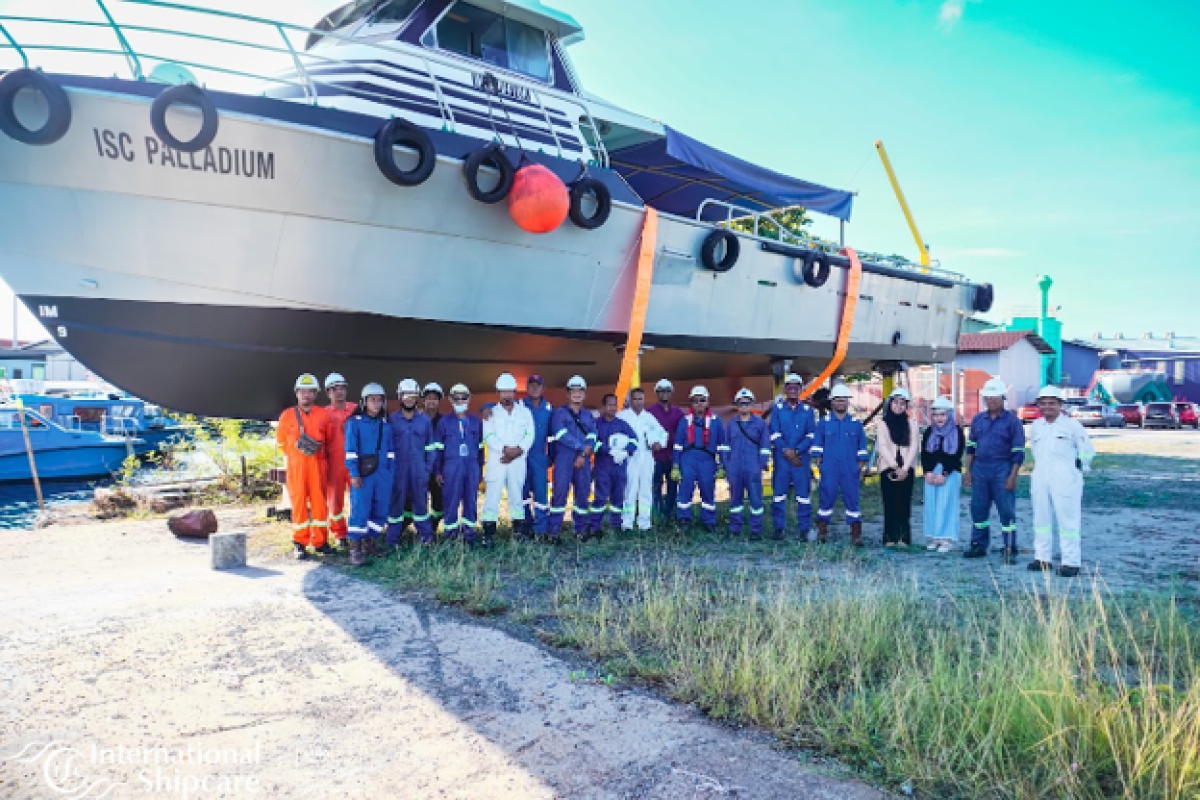
- ISC’s own workboat, the ISC Palladium, underwent a full haul-out and maintenance inspection on 22 December 2023
- The vessel was lifted using a mobile crane rather than a conventional slipway
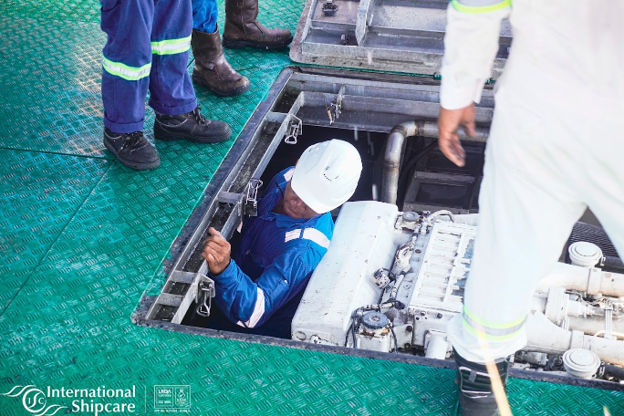
- Maintenance covered hull inspection and engine room servicing before relaunch
- The exercise reflects the same preservation and maintenance standards ISC applies to the client vessels in its care
Meet the ISC Palladium
The ISC Palladium isn’t a client vessel — it’s part of ISC’s own fleet, supporting operations like crew launches at Brunei Bay. Keeping a support vessel like this in top condition isn’t optional: it’s the boat that gets ISC’s own people out to the vessels they’re maintaining, so its reliability matters just as much as anything ISC does for a client’s ship.
A Different Kind of Haul-Out
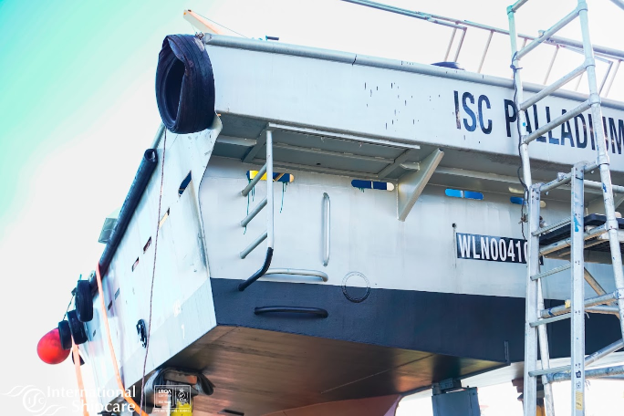
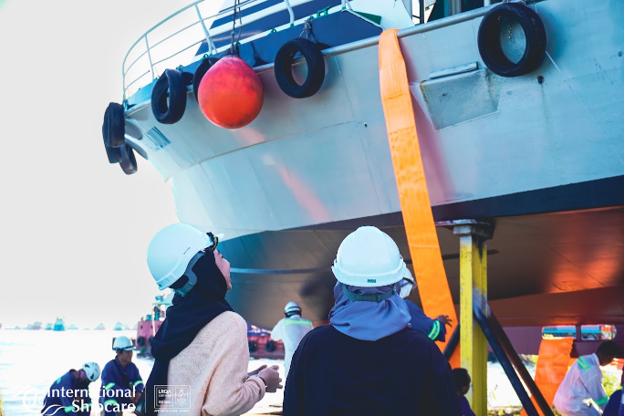
Rather than a conventional dry dock or slipway, the ISC Palladium was lifted clear of the water using a mobile harbour crane, suspended on slings with fendering rigged to protect the hull during the lift. It’s a practical approach for a vessel of this size, and it meant the boat could be worked on right at the yard rather than transported elsewhere.
What the Maintenance Involved
With the vessel out of the water, the team carried out a hull inspection and got into the engine room itself for servicing — the kind of hands-on maintenance that’s far easier to do properly with the boat fully accessible on land rather than rushed alongside a jetty.
The Same Standards, Applied to ISC’s Own Fleet
It’s one thing to tell a client you’ll take care of their vessel during layup. It’s another to hold your own support vessel to the same standard. The ISC Palladium’s dry dock is routine maintenance — but it’s also a reminder that the preservation and inspection discipline ISC applies to a laid-up LNG carrier or bulk carrier is the same discipline applied to the boat its own crew rides out on every day.
Looking After Your Fleet?
Whether it’s a support vessel or a fleet of ships in layup, ISC’s ship preservation programme is built on the same standards shown here.
Contact ISC to discuss your vessel’s needs.
ABOUT US
OUR SERVICES
Careers