Anchorage vs Ship Lay-Up Services: Key Differences in Malaysia
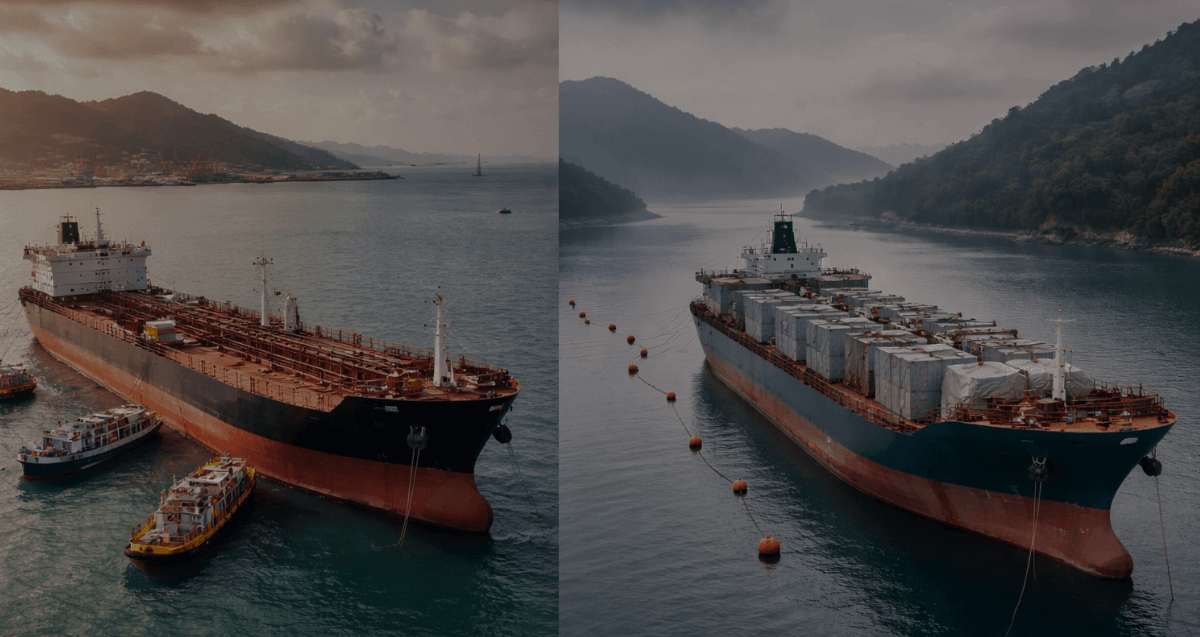
In the maritime industry, operational efficiency and vessel management are critical for ship owners and operators. However, there are times when vessels cannot remain fully operational due to market conditions, maintenance needs, cargo scheduling or economic considerations. During such periods, vessels may either remain at anchorage or undergo ship lay up procedures.
While both involve vessels being temporarily inactive or stationary, anchorage services and ship lay-up serve different operational, technical and financial purposes. Understanding the difference is essential for ship owners, charterers and maritime operators who need to make informed decisions about vessel management.
In this article, we explain the key differences between anchorage and ship lay up, how each option functions, and when ship operators should consider using them.
What Is Anchorage in Shipping?
In maritime terms, Anchorage refers to a designated area at sea or near a port where ships can safely drop anchor and remain stationary. These locations are officially charted and regulated by port authorities to ensure vessels can wait without interfering with navigation or port operations.
Anchorage areas are commonly used when vessels are:
- Waiting for port clearance
- Awaiting cargo loading or unloading schedules
- Delayed due to port congestion
- Completing documentation or inspections
- Waiting for berth availability
During anchorage periods, ships remain operational and fully crewed. Engines and onboard systems remain ready for departure once port instructions are received.
This is where anchorage services become essential.
These are exactly the kind of support services ISC provides through its anchorage services in Malaysia.
What Are Anchorage Services?
Anchorage services refer to support services provided to vessels while they are stationed at anchorage areas.
These services ensure vessels remain operational, compliant and supplied while waiting offshore.
Common anchorage services include:
- Crew transfer and transportation
- Delivery of provisions and spare parts
- Fuel and lubricant supply
- Waste management services
- Ship inspections
- Documentation handling
- Security monitoring
Anchorage services are particularly important in busy maritime regions such as Malaysia, where port congestion can cause vessels to remain offshore for extended periods.
Ports such as Port Klang and other major maritime hubs frequently utilise anchorage zones to manage vessel traffic efficiently.
What Is Ship Lay-Up?
Unlike anchorage, ship lay up refers to the process of temporarily removing a vessel from active service.
Ship lay-up typically occurs when it is economically impractical to operate the vessel due to factors such as:
- Low freight rates
- Market downturns
- Excess fleet capacity
- Seasonal demand fluctuations
- Major maintenance planning
During a lay-up, the vessel is placed in a controlled inactive condition while preserving its structural integrity and mechanical systems.
Ship lay-up can last for weeks, months or even years depending on market conditions.
Learn more about ISC’s vessel layup services, including hot and cold layup options for shipowners in Malaysia, Labuan, and Brunei Bay.
Types of Ship Lay-Up
There are generally two main types of ship lay up procedures.
Hot Lay-Up
In hot lay-up, the vessel remains partially operational.
Key characteristics include:
- A reduced crew remains onboard
- Engines and essential systems are maintained regularly
- The vessel can return to service relatively quickly
- Maintenance continues on critical equipment
Hot lay-up is usually chosen when operators expect the vessel to return to service within a short period.
Cold Lay-Up
Cold lay-up involves shutting down most vessel operations.
Key characteristics include:
- Minimal crew presence
- Machinery and systems are preserved but inactive
- Reduced maintenance costs
- Longer reactivation time
Cold lay-up is used when vessels are expected to remain inactive for extended periods due to prolonged market downturns.
Key Differences Between Anchorage and Ship Lay-Up
Although both situations involve ships being stationary, the objectives and operational conditions differ significantly.
| Factor | Anchorage | Ship Lay-Up |
|---|---|---|
| Operational Status | Fully operational | Temporarily inactive |
| Crew | Full crew onboard | Reduced or minimal crew |
| Duration | Short-term | Medium to long-term |
| Purpose | Waiting for port operations | Cost-saving during inactivity |
| Maintenance | Normal operational maintenance | Preservation-focused maintenance |
| Mobility | Ready to sail anytime | Reactivation required |
In simple terms, anchorage is a temporary waiting period, while ship lay up is a strategic operational decision.
Why Ships Use Anchorage Services
Anchorage is a routine part of maritime logistics.
Ships often wait offshore due to factors such as:
1. Port Congestion
High vessel traffic can delay berth allocation.
Anchorage areas allow ships to wait safely until port access becomes available.
2. Cargo Scheduling
Some vessels arrive earlier than their loading or discharge windows.
Anchorage provides a safe holding location until cargo operations begin.
3. Documentation and Clearance
Customs, quarantine inspections and regulatory approvals may require vessels to remain offshore temporarily.
Operational Flexibility
Anchorage gives ship operators flexibility to manage scheduling changes without committing to port docking.
In these scenarios, professional anchorage services ensure smooth vessel operations during waiting periods.
Why Ship Owners Choose Lay-Up Services
Ship lay-up decisions are typically strategic and financial.
1. Market Downturns
When freight rates fall below operational costs, keeping ships active becomes financially unsustainable.
Lay-up reduces operational expenses while preserving the asset.
2. Fleet Oversupply
Shipping markets occasionally experience oversupply of vessels.
Instead of operating at a loss, ship owners may place vessels into lay-up until demand recovers.
3. Maintenance Planning
Lay-up periods can also allow for long-term maintenance planning and inspections without the pressure of operational schedules.
Risks and Considerations in Ship Lay-Up
While ship lay up offers cost savings, it also requires careful management.
Potential risks include:
- Machinery deterioration
- Hull corrosion
- Security threats
- Insurance complications
- Recommissioning costs
Proper lay-up management ensures that vessels remain safe and ready for future reactivation.
Malaysia’s Strategic Role in Maritime Anchorage and Lay-Up
Malaysia’s geographic position along major shipping routes makes it an important hub for maritime services.
The Strait of Malacca is one of the busiest shipping lanes in the world, handling thousands of vessels annually.
As a result, Malaysia offers strategic advantages for both anchorage services and ship lay-up operations.
Key benefits include:
- Proximity to international trade routes
- Access to skilled maritime service providers
- Established port infrastructure
- Competitive operational costs
These advantages make Malaysia an attractive location for ship owners seeking reliable maritime support services.
When Should Ship Owners Choose Anchorage Instead of Lay-Up?
Anchorage is appropriate when vessels are expected to resume operations shortly.
For example:
- Waiting for berth availability
- Short cargo delays
- Temporary operational adjustments
Because vessels remain fully operational, anchorage is suitable for short waiting periods.
When Ship Lay-Up Is the Better Option
Lay-up is more appropriate when inactivity is expected to last longer.
For example:
- Prolonged freight market downturns
- Seasonal trade fluctuations
- Long-term fleet restructuring
In these cases, ship lay up helps reduce operational expenses while protecting the vessel.
The Importance of Professional Maritime Support
Whether managing anchorage or lay-up, ship owners benefit from professional maritime service providers.
Experienced service companies ensure:
- Regulatory compliance
- Safe vessel management
- Efficient crew support
- Maintenance and inspection coordination
Professional support minimises operational risk while ensuring vessels remain protected.
Conclusion
Although anchorage and lay-up both involve stationary vessels, they serve very different purposes in maritime operations.
Anchorage is a short-term operational solution used while ships wait for port entry, cargo schedules or regulatory clearance. During this period, vessels remain fully operational and supported through anchorage services.
In contrast, ship vessel lay up is a strategic decision to temporarily remove vessels from active service to reduce operating costs or manage market conditions.
Understanding these differences allows ship owners and operators to make informed decisions about fleet management, cost control and vessel readiness.
As global shipping markets continue to fluctuate, efficient maritime support services — particularly in strategic locations like Malaysia — play an essential role in ensuring safe and cost-effective vessel operations.
Not sure whether your vessel needs anchorage support or full layup?
Talk to ISC about your vessel’s specific situation, or explore our vessel layup services directly.
ABOUT US
OUR SERVICES
Careers