Vessel Preservation: Ready-to-Restart Ship Layup Guide
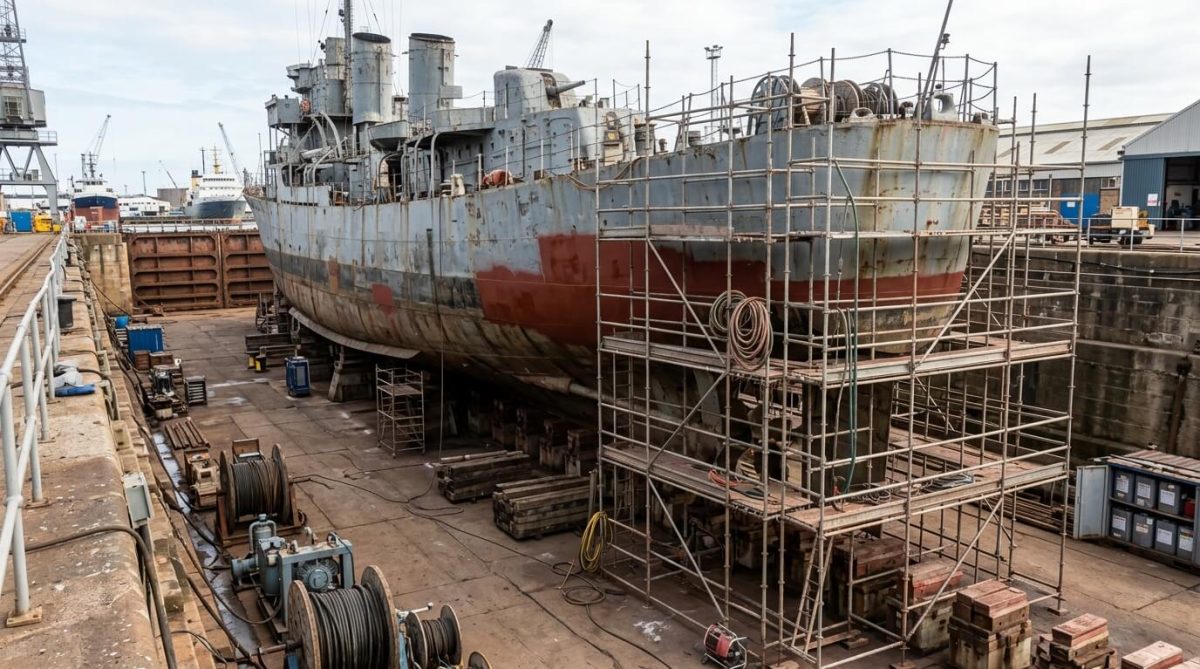
Key Takeaways
- Vessel preservation is essential during layup periods to protect machinery, electronics, and structural systems from corrosion and deterioration.
- Climate and humidity control play a critical role in maintaining onboard conditions, especially in tropical maritime environments like Malaysia.
- “Ready-to-Restart” preservation focuses on continuous inspections and monitoring, ensuring vessels can return to operation with minimal downtime and repair costs.
What happens to a vessel’s machinery, electronics, and onboard systems when it remains idle for months—or even years?
In the maritime industry, inactive vessels are still exposed to harsh environmental conditions such as humidity, salt exposure, and temperature fluctuations. Without proper vessel preservation, critical systems can deteriorate rapidly, leading to expensive repairs, delayed recommissioning, and reduced asset value.
This is why modern ship preservation programmes focus not only on protecting equipment during layup, but also on ensuring vessels remain in a “Ready-to-Restart” condition. Through controlled onboard environments, humidity management, and routine technical inspections, shipowners can preserve operational readiness while reducing long-term risks.
This article explains how vessel preservation works, why climate control is essential, and how structured preservation programmes support long-term vessel health and reliability.
What Is Vessel Preservation?
Vessel preservation refers to the systematic process of protecting a vessel’s machinery, systems, and onboard spaces during periods of inactivity or reduced operation.
The objective is to:
- Prevent corrosion and deterioration
- Maintain operational readiness
- Reduce reactivation costs
- Extend equipment lifespan
Unlike routine operational maintenance, preservation focuses on safeguarding idle assets against environmental and mechanical degradation.
This is exactly the approach behind ISC’s ship preservation programme, covering dehumidification, corrosion control, and mechanical preservation.
Understanding the “Ready-to-Restart” Concept
A “Ready-to-Restart” preservation strategy is designed to ensure that a vessel can return to active service efficiently and safely after layup.
This approach involves:
- Continuous monitoring of critical systems
- Environmental control measures
- Scheduled inspections and preservation routines
- Documentation of vessel condition
👉 Instead of allowing systems to deteriorate during inactivity, preservation programmes actively maintain vessel health.
According to maritime layup guidance, proper preservation significantly reduces recommissioning delays and major repair risks.
Why Vessel Health and Preservation Matter?
Inactive vessels remain vulnerable to:
- Moisture accumulation
- Internal corrosion
- Mold and microbial growth
- Lubrication breakdown
- Electrical degradation
Without proper preservation, these issues can affect:
- Main propulsion systems
- Electrical controls
- Emergency equipment
- Interior spaces
👉 Preservation protects both operational capability and long-term asset value.
The Importance of Climate and Humidity Control
One of the most critical elements of ship preservation is environmental management.
Humidity is one of the primary causes of:
- Corrosion on metal surfaces
- Electrical system failure
- Mold growth
- Interior deterioration
Maintaining controlled onboard conditions helps protect sensitive machinery and electronic systems during layup.
How Climate and Humidity Control Works
Modern preservation programmes use dehumidification and compartment sealing systems to maintain stable onboard environments.
Compartmental Sealing
Critical onboard spaces are sealed to create controlled environments.
Areas Commonly Protected:
- Engine rooms
- Electrical switchboards
- Control rooms
- Accommodation areas
- Machinery spaces
Preservation Measures:
- Sealing hatches and ventilation openings
- Installing temporary barriers
- Using airtight gaskets and covers
👉 This minimises moisture ingress and environmental exposure.
Dehumidification Systems
Dehumidification systems reduce and regulate humidity levels onboard.
Key Functions:
- Remove excess moisture from air
- Maintain low relative humidity
- Prevent condensation buildup
Maintaining stable humidity levels significantly reduces the risk of corrosion and mold formation.
Continuous Environmental Monitoring
Humidity and temperature levels are monitored continuously during preservation.
Typical Monitoring Tools:
System | Purpose |
Hygrometers | Measure humidity levels |
Remote monitoring systems | Provide real-time condition tracking |
Alarm systems | Alert teams to abnormal conditions |
👉 Continuous monitoring allows early detection of preservation risks.
What Are the Benefits of ‘Ready-to-Restart’ Vessel Preservation?
1. Reduced Reactivation Costs
Well-preserved vessels generally require:
- Less repair work
- Shorter recommissioning periods
- Lower replacement costs
👉 Preventive preservation is more cost-effective than corrective repairs.
2. Faster Return to Service
Continuous inspections and preservation ensure systems remain operationally ready.
This helps:
- Minimise downtime
- Improve fleet flexibility
- Respond faster to market opportunities
3. Extended Equipment Lifespan
Controlling humidity and corrosion helps protect:
- Engines
- Boilers
- Electrical systems
- Structural components
👉 Preservation contributes to longer equipment service life.
4. Improved Operational Reliability
Routine inspections reduce the risk of:
- Unexpected equipment failures
- Safety issues during reactivation
- Operational delays
Vessel Preservation Challenges in Malaysia
Malaysia’s tropical maritime environment creates unique preservation challenges.
Risk | Impact |
High humidity | Accelerates corrosion |
Salt exposure | Damages metal surfaces |
Heavy rainfall | Increases moisture intrusion |
Warm temperatures | Encourages mold growth |
Malaysia’s sheltered maritime locations such as Labuan and Brunei Bay are often used for vessel layup because they provide relatively stable marine conditions.
What Are the Best Practices for Effective Ship Preservation?
1. Develop a Vessel-Specific Preservation Plan
Each vessel requires customised preservation procedures based on:
- Vessel type
- Layup duration
- Operational condition
- Environmental exposure
👉 Tailored programmes improve preservation effectiveness.
2. Maintain Detailed Documentation
Documentation should include:
- Inspection records
- Humidity logs
- Equipment condition reports
- Maintenance activities
👉 Proper records support smoother reactivation and compliance.
3. Conduct Regular “Ready-to-Restart” Inspections
Routine inspections ensure:
- Early detection of issues
- Continuous operational readiness
- Better equipment protection
4. Use Remote Monitoring Technologies
Modern systems allow real-time monitoring of:
- Humidity levels
- Temperature
- Power status
- Security conditions
👉 Remote monitoring improves preservation efficiency and reduces operational risks.
Common Preservation Mistakes to Avoid
Mistake | Potential Impact |
Poor humidity control | Corrosion and electrical damage |
Inadequate inspections | Undetected equipment failure |
Weak documentation | Reactivation delays |
Ignoring climate conditions | Accelerated deterioration |
👉 Preservation failures often result in significantly higher repair and recommissioning costs.
Why “Ready-to-Restart” Preservation Matters
Modern maritime operations require flexibility and operational readiness.
A vessel that is properly preserved can:
- Return to service faster
- Reduce operational risk
- Maintain asset value
- Avoid unnecessary repair expenses
👉 Preservation is no longer simply about storage—it is about maintaining vessel readiness and protecting long-term investment.
Conclusion: Protecting Vessel Health Through Proper Preservation
Effective vessel preservation is essential for maintaining operational readiness, protecting machinery, and reducing long-term costs during layup periods.
By implementing climate and humidity control measures, conducting “Ready-to-Restart” inspections, and maintaining structured preservation programmes, shipowners can safeguard both vessel health and long-term asset value.
In today’s maritime industry, preservation is not just preventive maintenance—it is a strategic approach to ensuring vessels remain reliable, compliant, and ready for future operations.
Looking for Professional Vessel Preservation Support?
If your vessel is entering a layup period, implementing a structured preservation programme is critical for protecting onboard systems and reducing future reactivation costs.
Work with International Shipcare, experienced marine preservation professionals who deliver customised solutions in climate control, humidity management, technical inspections, and operational readiness—ensuring your vessel stays fully protected and “Ready‑to‑Restart” throughout the layup period.
Work with International Shipcare’s ship preservation programme — contact us to discuss a tailored approach for your vessel.
ABOUT US
OUR SERVICES
Careers